

General
Windjammers – Video collections
May
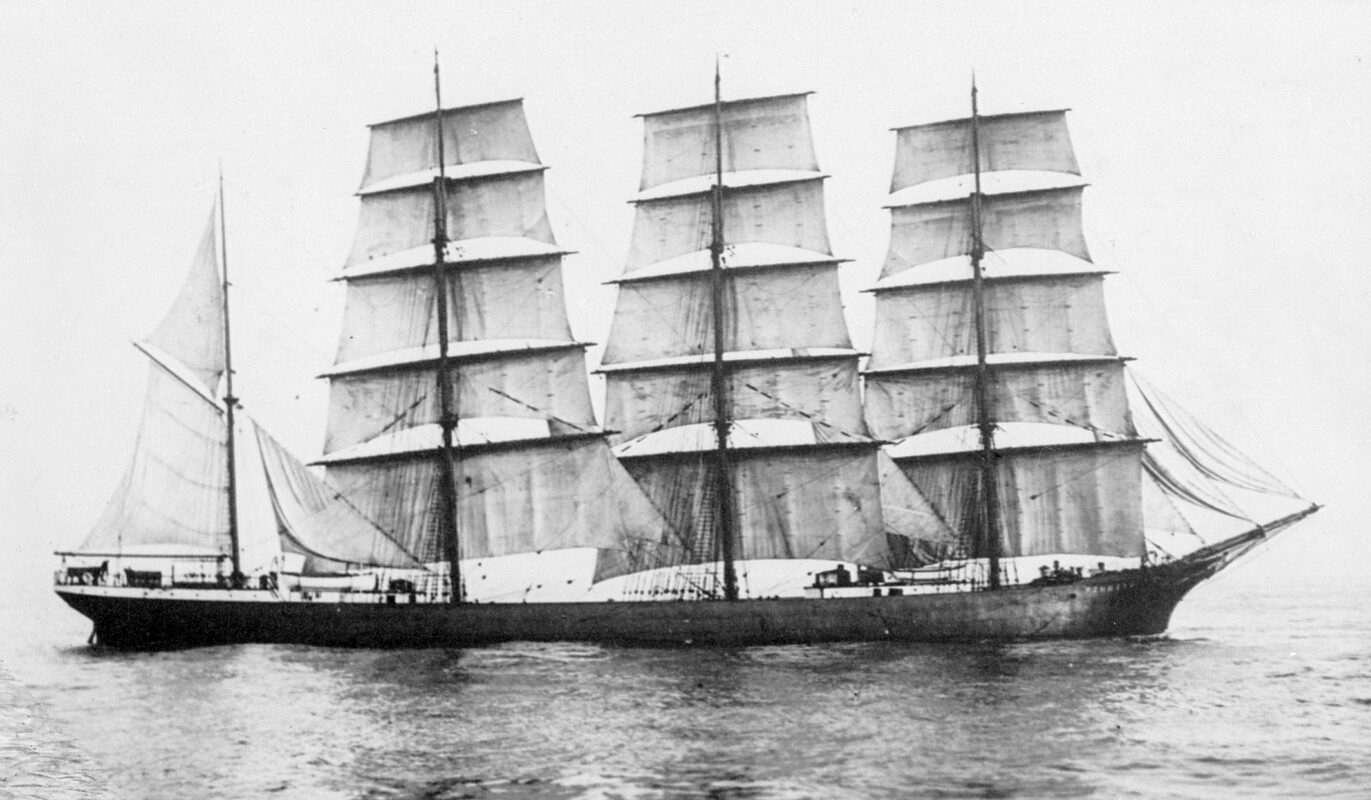
Windjammers were the last truly large cargo sailing ships—built to carry heavy loads across the world’s oceans when sailing could still be profitable. In the early 1900s, the grain route between Australia and Europe became one of the most famous passages, and the informal “Great Grain Race” turned these voyages into pure prestige.
Windjammers – the last great cargo sailers
In the early 1900s, the last truly large cargo sailing ships—often called windjammers—were still an important part of global trade. Many were impressive vessels with iron or steel hulls, built to withstand ocean passages and carry heavy cargo over long distances. They were often four- and five-masted barques and full-rigged ships, built in the late 1800s and early 1900s, with vast sail plans that demanded both experience and discipline on board.
What allowed sailing ships to remain competitive was their ability to take advantage of steady wind belts on long routes. When the wind was right, they could maintain high speeds for days, and for shipping companies thinking long-term, this could still be profitable—especially on routes where the time gained by steam did not always outweigh the costs.
The grain route – Australia to Europe via Cape Horn
One of the most famous routes for windjammers was the grain route from southern Australia to Europe, often with the United Kingdom as a key destination. The ships loaded wheat in ports around Spencer Gulf, for example Port Victoria, and then sailed the long way west through the Southern Ocean.
The route continued around Cape Horn and up through the Atlantic toward British waters. The voyage was both demanding and legendary: weather, wind, and sea could be brutal—especially in the notorious “Roaring Forties”, where strong westerlies and heavy seas were more the rule than the exception. For skilled crews, a passage from Australia to England was considered truly good if it was completed in under 100 days.
Life on board – hard work and vast distances
Sailing the grain route was not just transportation; it was also a test of endurance. Crews worked in shifts, often under tough conditions, and everything on board was governed by wind and weather. Hoisting sail, reefing in a gale, holding course in heavy seas, and at the same time maintaining rigging and equipment demanded both courage and skill.
At the same time, there was a special pride in completing the voyage well. Every fast passage became proof of seamanship, a well-kept ship, and a crew that worked as one.
The Great Grain Race – when freight became prestige
Over time, an informal competitive spirit grew between the ships—what came to be known as “The Great Grain Race”. It was not an official regatta, yet in practice it was still a race. Prestige, headlines, and sometimes outright betting meant arrivals were closely followed, and fast times became something discussed in ports and maritime circles.
The record often highlighted is the four-masted barque Parma, which in 1933 completed the passage in 83 days—a figure still mentioned as a symbol of how hard and purposefully these voyages could be sailed.
Åland’s connection – Gustaf Erikson and the windjammer era
Åland has a particularly strong connection to this era. The Åland shipowner Gustaf Erikson built up one of the world’s most famous fleets of sailing ships and continued to run the grain route at a time when steam and motor ships had already taken over large parts of shipping. That made Åland a central point in the story of the last great cargo sailers.
Among the ships that sailed under Erikson’s flag were Pommern, Pamir, and Passat—names that still command respect among sailing ship enthusiasts.
Pommern – a sailing piece of history
Pommern is especially famous. She won the Grain Race twice—1930 and 1937—and today remains one of the most vivid reminders of the era. The fact that Pommern still exists in such a clear, authentic form makes her unique: she is not just a ship in photographs, but a place you can visit, step aboard, and experience with your own senses.
Today she lies as a museum ship in Mariehamn, reminding us of the time when great sails carried cargo across the world’s oceans and wheat sacks could fill hold after hold.
Come aboard in our video collection
Few people today get the chance to work or travel on a truly large sailing ship.
That’s why we’ve put together a collage of videos we’ve found—or been tipped off about—around the web: clips that feature, or take us on board, some of the old ships’ voyages and the atmosphere that made the windjammer era so fascinating.
If you have a video or link you think belongs here, we’d love to receive it—email us at info@alandsbutiken.com!
Facts: Windjammers & the Grain Route
-
Windjammer: Large commercial sailing ships with multiple masts, often with iron or steel hulls, common during the transition from sail to steam.
-
The grain route: Grain cargo trade from southern Australia to Europe—one of the last routes where large sailing ships remained competitive.
-
Great Grain Race: An informal “race” comparing sailing times from Australia to Europe; the fastest passage brought prestige and headlines.
-
Record: The four-masted barque Parma sailed Port Victoria–Falmouth in 83 days (1933), often cited as the fastest passage.
-
Åland connection: Shipowner Gustaf Erikson became known for his fleet of windjammers in the Australia–Europe grain trade.
-
Pommern: The museum ship Pommern won the Great Grain Race in 1930 and 1937.
Links
Read more about the museum ship Pommern:
https://www.alandsbutiken.com/aland/museifartyget-pommern/
About Gustaf Erikson and the sailing ships:
https://www.alandsbutiken.com/gustaf-erikson-och-segelfartygen/


